
Angel Photo & Video www.angelphotoandvideo.com
Staff Report
A new national survey commissioned by the Business for Good Foundation and conducted by the Harris Poll finds a meaningful shift in how Americans view career success, with a growing preference for trade skills training and certification programs over traditional four-year college degrees.
According to the survey, four in five Americans say more people are choosing trade skills training, while 75 percent report that their definition of a “good job” has changed compared to five years ago. The findings are based on a national online survey of 2,085 adults conducted Jan. 13–15, 2026.
The data also show that 75 percent of respondents believe hands-on skills and practical experience matter more than formal degrees for career success in today’s economy. More than three-quarters of respondents said jobs relying on trade or hands-on skills are less likely to be replaced by artificial intelligence, and 78 percent said the stigma around blue-collar or trade work is declining.
“We’re seeing a real shift in how Americans define success at work,” said Maire Masterson, executive director of the Business for Good Foundation. “More and more people are choosing practical skills that can lead to real opportunities. At Business for Good Foundation, we are focused on empowering individuals with the skills needed to build a viable career and to help close the wealth gap in communities across the U.S.”
The survey results correspond with concerns about automation and workforce disruption. Goldman Sachs Research estimates that artificial intelligence could automate tasks accounting for about 25 percent of all U.S. work hours, increasing the importance of workforce development strategies focused on resilience and adaptability.
Ed Mitzen, co-founder of the Business for Good Foundation, said the results underscore the long-term value of skilled trades.
“Unlike some entry-level jobs, the skilled trades won’t be easily displaced by AI,” Mitzen said. “These hands-on jobs require a human touch that robots can’t emulate.”
The findings come as employers across manufacturing, construction and infrastructure sectors continue to report difficulty filling skilled positions.
Regional workforce leaders say the national findings reflect trends already underway in the Capital Region and North Country.
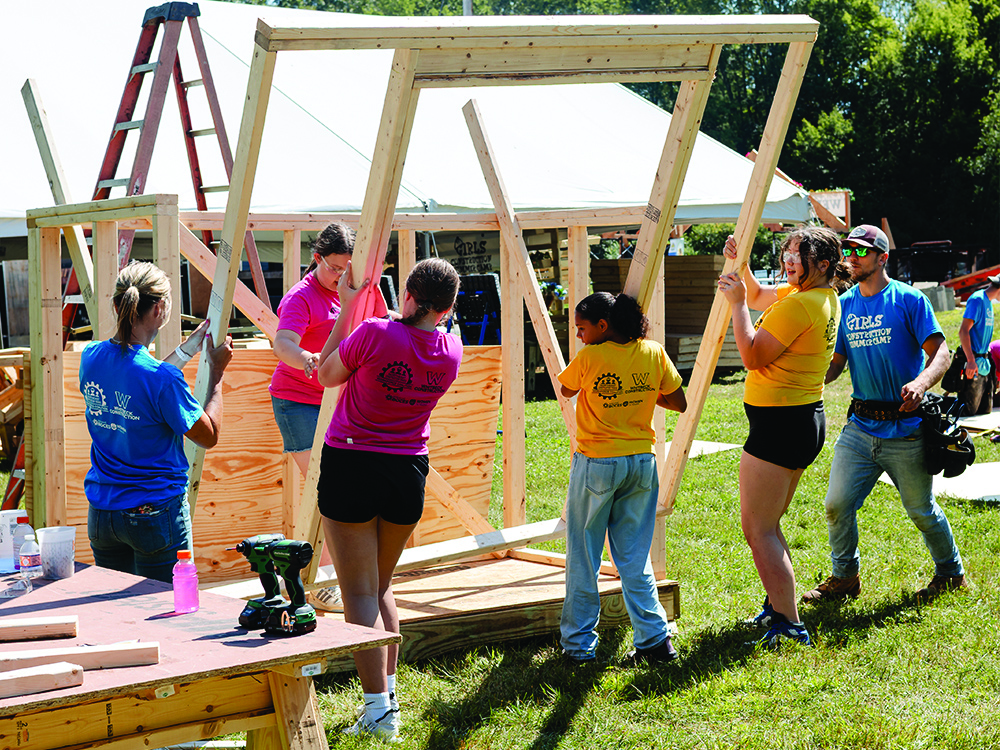
“These findings reinforce what we see every day at the Northeast Construction Trades Workforce Coalition — perceptions of career success are changing, and for good reason,” said Doug Ford, president of the Northeast Construction Trades Workforce Coalition. “Students, parents and employers are increasingly recognizing that the skilled trades offer accessible, high-quality career pathways that don’t require a traditional four-year degree. Through strong partnerships with BOCES, Questar and trade unions, NCTWC is connecting education to the trades and exposing young people early to careers that provide real value, stability and long-term opportunity — especially as workforce shortages continue to reshape our economy.”
The survey also found broad agreement that income levels are improving, with perceptions of trade and blue-collar work improving as well, especially among higher-income households.
Business for Good Foundation is based in New York’s Capital Region and focuses on economic access, workforce development and community-based strategies designed to reduce barriers to opportunity.