
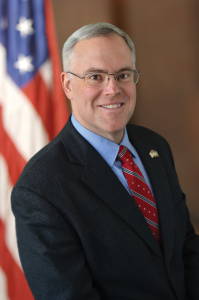
 By State Senator Dan Stec, R–Queensbury, 45th District
As state lawmakers head into the 2026 Legislative Session, we must chart a better direction. Poor state planning, combined with the Climate Leadership and Community Protection Act (CLCPA) energy plan that’s driving up costs while failing to stabilize our grid for the future, have caused New York’s economy to stagnate and added to the pressures small businesses have faced in the post-COVID economy.
Between energy rates, consistently high taxes and fees and bureaucratic red tape and inflation-induced supply cost increases, action must be taken to provide financial relief. Small businesses often operate on tight financial margins. A state-mandated transition to green energy and the continued increase in electric and gas costs eat away at these margins, reducing a business’ ability to hire, promote or retain its workforce.
Given this reality, it only makes sense for New York State to scale back and at the very least delay the green energy initiatives laid out it in the CLCPA. Late last year, the governor agreed to delay the all-electric building mandate. That should only be a start. According to a report last month by New York Independent System Operator (NYISO), our energy grid is at an “inflection point.” An aging generation fleet and flagging green energy development is leading to a long-term energy shortfall. Investing in an all-of-the-above energy portfolio that includes nuclear and hydro-carbon, in addition to the initiatives proposed via the CLCPA would stabilize our grid, create jobs and ultimately lower costs for consumers.
There must be a decrease in state spending. As of today, New York State is facing a $4.2 billion budget deficit. Our most recent state budget was more than $250 billion, a sum more than the budgets of Florida and Texas combined. This type of reckless spending is unsustainable, and our taxpayers are the ones who bear the brunt of it. Each year, New York is ranked as having the worst climate for economic development and this state spending – funded through a dizzying amount of taxes and fees – is a major reason. Instead of funneling money into top-down initiatives, reducing state spending and putting money back in the hands of local entrepreneurs is a better direction. After all, these are the men and women who actually create jobs and opportunities in our communities.
If state government is going to assist in economic development, it should be by improving infrastructure. That means a commitment to repairing our roads and bridges. Whether it’s an 18-wheeler transporting goods or a family taking a trip to the Adirondacks, we must ensure that everyone can safely travel through and within our region. Investing in that helps pave the way for increased commerce and economic activity. But when addressing infrastructure, we must go even further.
New York must help ensure our region has access to affordable, high-speed broadband and cell phone service. From helping to pass a repeal of a costly fiber-optic tax that made it near-impossible for broadband to be installed in rural communities in our region to updating the Adirondack Park Agency’s archaic cell tower policy, I’ve repeatedly called for action that would facilitate the development of fiber-optic lines and cell phone towers. Through an ongoing state investment and public-private partnerships, now is the time to finally ensure 100 percent (or close to that mark) broadband and cellular access. These are essential tools for new and developing businesses alike, connecting them to potential customers and resources they may not otherwise have access to.
Ideally, our economy should reflect our local character and attributes. For the North Country and Adirondacks, that means harnessing the potential of communities and locations like Lake George, Lake Placid and the High Peaks. Outdoor recreation – from boating to skiing and hiking – is a core component of our economy year-round. A commitment to protecting our mountains, lakes and waterways through the state’s Environmental Protection Fund and continued support for our ski trails and Olympic facilities is crucial in maintaining the economic viability of our tourism and recreation-based economic sectors.
But improving our economic outlook is about more than just sustaining what’s working; it’s about finding new ways to create opportunities for growth and development. Companies like Ward Lumber, Barton Mines and Finch Paper are industry leaders and sources of good-paying, skilled career opportunities. Investing in workforce development initiatives provides residents with the tools necessary to work at local landmarks such as these or to start the next generation of locally owned and operated trades.
In addition to jobs and revenue, a focus on the affordable housing crisis is needed. Scaling back the regulations that make new construction costly and tackling the mandates that drive up property taxes are crucial in keeping families in our communities. If people can afford to live and work in our region, we can improve our economic outlook and build a stronger future for our region.